
Cannabis for Aging: Pain Management
Many seniors deal with ongoing pain. Arthritis and nerve pain are common causes. This pain can make daily tasks hard. Cannabis is a natural option. It may ease pain and swelling. It also has fewer side effects than some prescription drugs.
Topical Applications
Topicals are creams, balms, and oils. You rub them on the skin over the sore spot. The skin absorbs them. They work well for joint pain and sore muscles. Many seniors start here first.
CBD & THC to the Rescue
Effective Strains
Some cannabis strains work well for pain relief:
- Pink Rozay: 16–18% THC. Often used for tiredness, low mood, mood swings, stress, and pain.
- Fruity Pebbles: a calming strain. Leaves you relaxed and friendly, but still able to function.
- Gelato: balanced effects. Helps with muscle spasms, pain, swelling, tiredness, and headaches.
Pain relief can come from high-CBD strains, topicals, or other cannabis products. Seniors have many options to feel better and stay active.
Cannabis and Aging: Improved Sleep

Many seniors have trouble sleeping. Poor sleep can hurt overall health. Cannabis may help. It can relax the body and improve sleep quality.
Terpenes That Promote Sleep
Indica Strains for Sedation
Edibles and Tinctures for Long-Lasting Support
Effective Strains

Cannabis and Aging: Anxiety & Stress
CBD for Anxiety Relief
CBD does not cause a high. It may still ease anxiety. It works with the body’s natural stress-response system to promote calm.
Examples of CBD products:
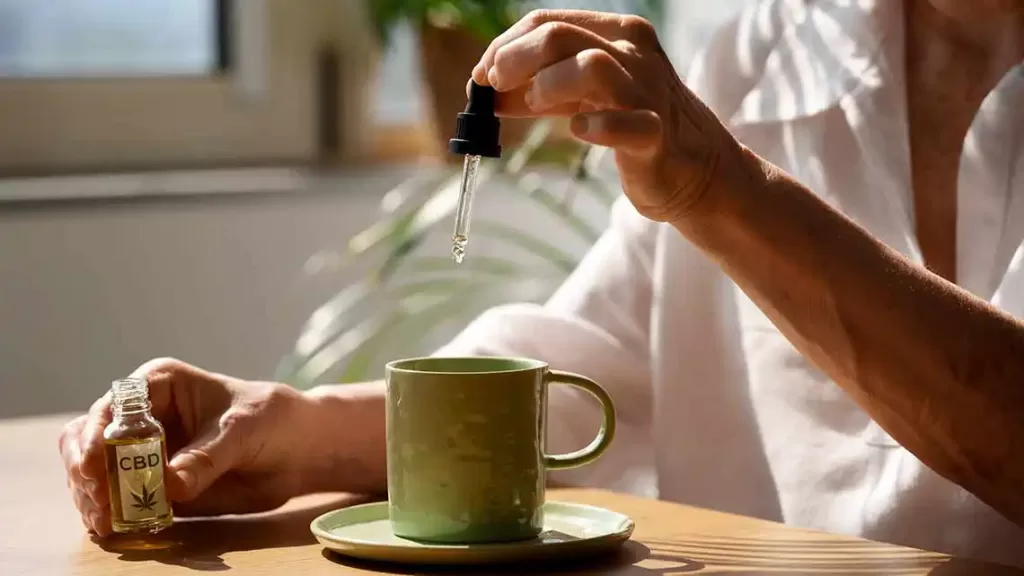
- CBD Oil Drops: placed under the tongue. Easy to dose and works fast.
- CBD Capsules: a pre-measured dose. Good for steady, all-day relief.
- CBD-Infused Tea: a calming drink, often used in the evening.
THC for Anxiety Relief
CBD is often the first choice because it does not cause a high. But small amounts of THC can also help with anxiety. Large amounts of THC can sometimes make anxiety worse. Start with a very small amount.
Examples of low-THC products:
- Microdose THC Gummies: very low doses. Mild relaxation, minimal high.
- Balanced THC Tinctures: equal parts THC and CBD, for balanced relief.
Effective Strains
Cannabis and Aging: Cognitive Health
Researchers are studying how cannabis affects the brain. Some early studies suggest it may help protect the brain as we age. More research is still needed. But early results look promising.
Neuroprotective Benefits of THC and CBD
THC and CBD may help protect brain cells. They may also reduce inflammation. Both could support overall brain health.
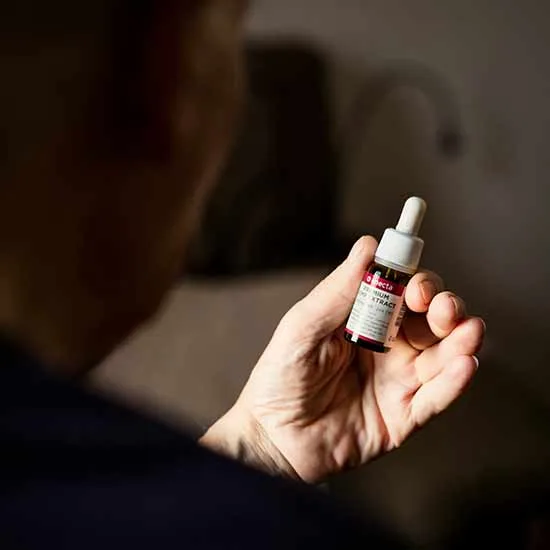
- CBD Oil: add to food or drinks, or take under the tongue.
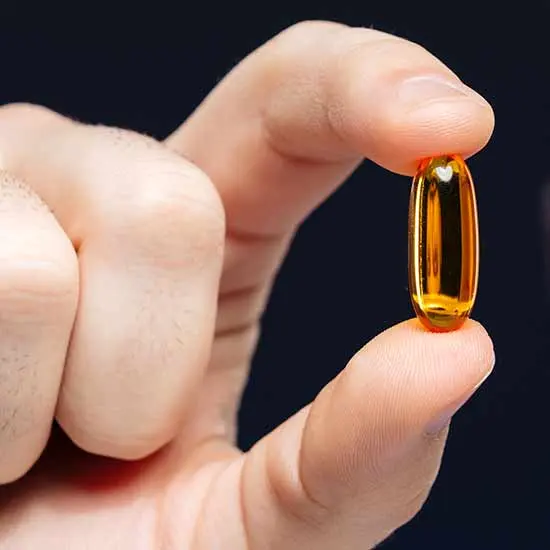
- THC Microdose Capsules: very low daily doses. Little to no high.
Microdosing for Cognitive Health
Microdosing means taking a very small amount of cannabis. The goal is mild benefits without a strong high. This can suit seniors who want brain support without feeling impaired.
Cannabis & Appetite Stimulation
Balanced CBD to THC Ratios
A balanced mix of CBD and THC may work best for brain health. This combo uses the benefits of both. It also lowers the chance of feeling high.
- 1:1 CBD Oil: equal parts CBD and THC for a balanced effect.
- Balanced CBD Capsules: a simple, 1:1 dose in capsule form.
CBD oil, microdose capsules, and balanced products may help seniors support brain health and stay sharp.
THC for Appetite Stimulation
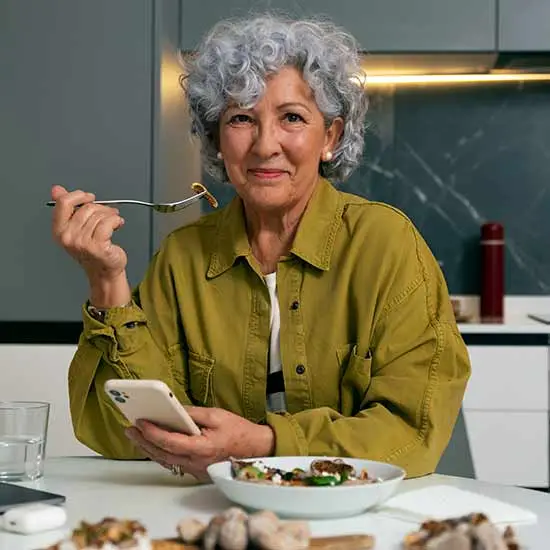
THC is the main compound that boosts hunger. It works with the body’s natural hunger system. It can also make food taste better.
- THC Gummies: easy to dose. A simple way to boost appetite.
- THC Tinctures: taken under the tongue or added to food.
Edibles and Tinctures for Appetite
Effective Strains
Safety Considerations for Seniors
Cannabis can help, but seniors should use it with care.
- Talk to a doctor first: especially if you take other medicines.
- Start low, go slow: begin with a small dose. Increase slowly over time.
- Choose quality products: pick lab-tested items from a trusted dispensary.
- Skip smoking if possible: try edibles, tinctures, or topicals instead.
Getting Started
Ready to try cannabis? Follow these steps:
- Learn the basics: read about different products and their effects.
- Ask an expert: talk to a budtender or doctor who knows cannabis.
- Start with CBD: try CBD-only products first if you’re unsure about THC.
- Track how you feel: write down effects and adjust as needed.
These steps can help seniors explore cannabis safely, including for appetite support.
Conclusion
The information provided is not a substitute for professional medical advice, diagnosis, or treatment. Consult with a qualified healthcare professional for personalized advice based on your medical condition.

